Keeping Your Car In Good Shape On A Road Trip
A road trip is an American tradition and a great adventure. While you are traveling, your car becomes your home away from home. Many travelers use their cars as a place to eat, a shelter from the elements, and sometimes even a temporary spot to sleep. Even more importantly, you are relying on your vehicle to get you safely from one destination to another.
Before you leave home, give your projected itinerary to someone trustworthy in case something goes wrong with your car. Make sure your auto insurance provides adequate coverage. Our agents will be happy to review your policy with you to ensure you have the coverage you need. In addition, the following tips can help ensure a safe and pleasant road trip.
Tackle This Checklist Before You Leave on Your Trip
- Change the air filter, oil filter, and oil.
- Change the spark plugs if needed.
- Clean your car, inside and out, before you start on your trip.
- Keep a small bag for garbage inside the car.
- Pack towels for cleaning up spills, a dirty windshield, etc.
- Keep your owner’s manual readily accessible.
- Cover the front of the car and headlights with a protective sheet to prevent bug clogs and damage.
- Get sun protectors for the front windshield and side windows.
- Check that you spare tire, tire iron, and jack are where they should be.
- Bring a plastic funnel for adding water or other fluids, as well as a bucket in case you need to use river or lake water in an emergency.
- Pack a fire extinguisher.
- Get a spare car key made and keep it in your purse or wallet in case you lock your keys in the car.
- Do not store luggage over the car if you can avoid it. It creates air friction, slows you down, and lowers your gas mileage.
- Always fill up when the car is still half full, particularly in rural areas.
Pack a Road Trip Survival Kit with Tools and Items You May Need in a Crisis
- Flashlight
- Pliers
- Screwdrivers and wrenches (different sizes)
- Hammer
- Jumper cables
- Chain or towing rope
- Bungee cords
- Bottled water
- Non-perishable food
- Blankets
Check the Tires, Fluids, Etc. Before You Hit the Road
Check your car over carefully (or have a mechanic do it) to ensure there are no mechanical problems before setting out on your trip. Items to check include:
- Wipers and wiper fluid
- Tire condition and tire pressure (do not over inflate)
- Coolant/antifreeze
- Fuses
- High and low beams
- Oil, brake fluid, and power steering fluid
- Heater and air conditioner
- Any loose cables
Driving Tips
Finally, remember that the driver is the most important factor in trip safety. Know your limits and stop to rest when you need to. If you are too tired to drive safely, pull off the road or stay in a motel overnight. Go for steady driving over speed to reduce your risk of an accident and improve gas mileage. Listen to music to avoid boredom. Never tailgate, and stay away from large commercial trucks. Proper preparation and the right approach to driving can help make your road trip both enjoyable and safe.
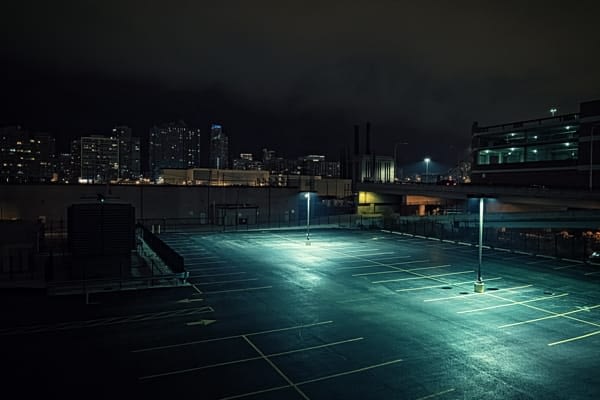
How Safe Is Your Parking Lot?
Businesses can be held liable for injuries that occur on their premises, and that includes parking lots. Depending on the type of business you have, the parking lot may be the most dangerous area on your property. If your parking lot is not owned and managed by a third party and is therefore your responsibility, discuss parking lot safety with your business lawyer and business insurance agent. Our knowledgeable agents can help ensure that your business is protected against liability for parking lot injuries.
Parking Lot Problem Areas Business Owners Should Address
The following are common areas to address in a parking lot for the safety of your employees and clientele.
Proper Lighting
Crimes are committed less frequently during the daytime and in well-lit areas, so proper lighting can be an effective form of parking lot security. Better lighting in the parking lot can help protect your customers and employees, not to mention lower your business’s exposure to liability for parking lot injuries. A well-lit parking lot helps prevent not only crime but also pedestrian trip and fall accidents.
As stated by the National Institute of Justice (NIJ), improving lighting to prevent crime is grounded in:
- Situational crime prevention. This perspective focuses on reducing opportunities for crime, while at the same time increasing the potential offender’s perceived risk of apprehension.
- Informal social controls and community cohesion. These play a key role in crime prevention. Installing or improving lighting in a parking lot or other area is a sign of positive investment and signals that efforts are being made to increase safety. This may result in an increased interest among employees, customers, and visitors in watching over the area.
Visible Security Cameras
Criminals who know they are being recorded are much less likely to strike. Visible security cameras can go a long way toward deterring parking lot crime.
Security
Parking lot security is often overlooked. This is a major oversight, as the Bureau of Justice Statistics (BJS) has reported that more than one in 10 property crimes occur in parking lots or garages. According to the Women-Safe Network, 25% of rapes occur in a parking garage or public area. Posting security guards can significantly upgrade the security of your building, grounds, and parking lot. Although cellphones are common, installing an emergency phone that connects directly to the police can also help improve parking lot security.
Traffic Flow
Controlling the flow of traffic can minimize the risk of accidents by preventing cars from driving in the wrong direction. Installing speed bumps, marking parking spaces with visible lines, and designating separate entrances and exits can help you control traffic flow.
Parking Lot Layout
Your parking lot layout should include parking spaces large enough to accommodate most vehicles, with plenty of room for drivers to easily enter and depart. Well-designed pedestrian walkways placed in busy areas of the parking lot can remind drivers to anticipate stopping, discourage pedestrians from cutting across and conflicting with vehicle traffic, and help prevent pedestrian accidents.
Rental Property Myths Debunked
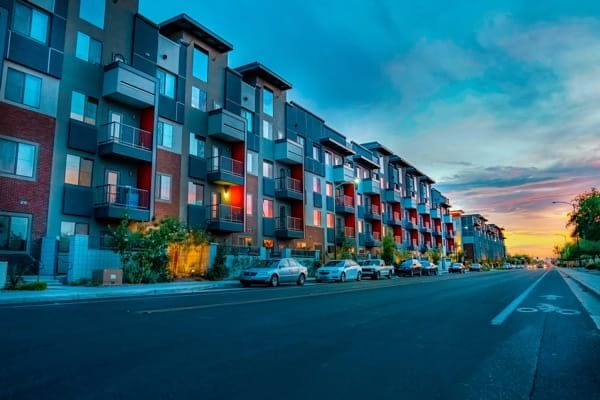
Although landlord-tenant laws vary from state to state, common myths about rental properties are in circulation nationwide. The following are some widely-held beliefs about renting and why they may not be as true as you think.
The Security Deposit Covers the Last Month’s Rent
Although the security deposit may equal a month’s rent, it is not earmarked for that purpose. The last month’s rent and the security deposit are two separate matters. The security deposit is intended to cover repairs or cleaning resulting from greater than normal wear and tear. It cannot be used by the landlord for make-ready repairs and cleaning costs between vacancies.
The Landlord Is Responsible for All Maintenance and Repairs
Not necessarily true. In general, it is the landlord’s obligation to take care of plumbing issues, pest control, and general maintenance. However, there are some things that are not the landlord’s problem, particularly when caused by the tenant. For damages caused by tenant negligence, the landlord may address the repairs and withhold the cost from the tenant’s security deposit.
Whatever the Lease States Is Legally Binding
This is not true unless the lease conforms to the law. Terms of a rental or lease agreement that violate local, state, or federal laws are not enforceable. For example, when the law requires advance notice of entry, the landlord cannot visit the property at any time without warning simply because it is stated in the lease.
The Landlord Is Liable for Tenant or Visitor Injuries Sustained on the Property
Whether this holds true depends on the circumstances surrounding the injury. Landlords have a duty to properly maintain common areas, warn of any hidden dangers, and make safe furnished dwellings on short-term leases. A landlord is only liable for injuries to tenants and visitors when the landlord’s negligence is the direct cause of the injury.
To hold a landlord liable for injuries, the tenant will have to prove that:
- Landlord had a duty to fix a dangerous condition on the property.
- Landlord breached that duty by not fixing the problem in a reasonable amount of time.
- Landlord had adequate warning of the problem and fixing it would not have been unreasonably difficult or expensive.
- Failure to repair the dangerous condition was the cause of the injury.
- Damage that resulted was serious and foreseeable.
- Landlord’s negligence directly caused the injury.
It Is the Landlord’s Responsibility to Insure the Property
Yes and no. The property owner is responsible for insuring the structure. In case of fire, for example, the landlord’s rental property insurance policy will protect the landlord’s investment and cover the cost of rebuilding. However, the landlord’s insurance does not cover replacement costs for damaged personal property owned by the renters, nor does it cover the cost of moving to another location while repairs are being made to the damaged apartment or home. Only a renters insurance policy can provide this type of protection.
Importance of Insurance for Landlords and Renters
A landlord who invests in a rental property will need rental property insurance that may include building coverage, general liability protection, auxiliary structure coverage, flood insurance, and commercial umbrella liability for additional protection. It is important for renters to have their own rental insurance to protect their personal property in case of a covered disaster in the rented dwelling. Our knowledgeable agents can help both landlords and renters find the best available rates for the coverage they need.
Avoiding Accidents In Construction Zones
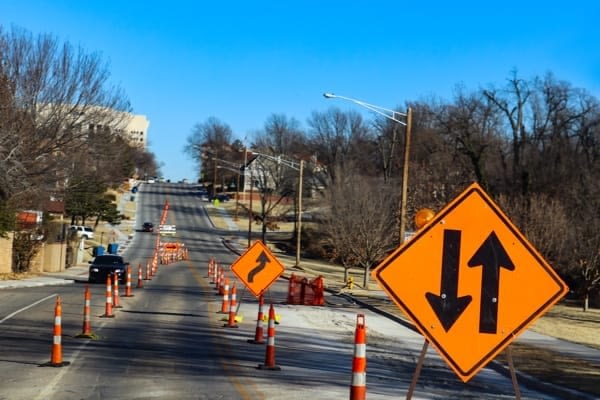
Construction zones introduce a number of hazards, making them especially dangerous locations for motorists. The Federal Highway Traffic Safety Administration (FHTSA) reports that during the past five years, 4,400 people have died and 200,000 have been injured in construction zone crashes alone.
How Do Construction Zone Accidents Happen?
Rear-end collisions are the most common type of accident in construction zones, as many drivers will slam on their brakes when they see workers or lane shifts. These crashes occur most frequently in the summer and fall, and many fatal construction zone accidents occur on roads with speed limits higher than 50 mph.
Stopping Distances in Construction Zones
As reported by the FHTSA, stopping distances for an average passenger vehicle at 50 mph are:
- 300 feet on a dry roadway
- 400 feet on a wet roadway
- 1,250 feet on icy pavement
Keep in mind, however, that a fully-loaded 18-wheeler requires almost 50% more distance to stop than a standard car. If you are following directly behind one of these trucks, be sure to plan accordingly.
How to Reduce the Risk of a Traffic Crash in a Construction Zone
To minimize your risk of an accident, it is important to exercise extra care while driving through a work zone on the roadways. The FHTSA offers the following tips to drivers.
- Be patient–passing through a construction zone will take significantly more time than standard driving.
- Keep your headlights on.
- Stay alert and don’t drive distracted. Give your full attention to the roadway and to driving your vehicle. Avoid changing the radio, operating a GPS, texting, making phone calls, eating, or any other activity that could take your attention off the road.
- Pay attention to the area around you. Watch the brake lights on the vehicle ahead, watch the movement of traffic to your sides, and keep an eye out for any posted signs.
- Don’t tailgate. Maintain a safe distance between your vehicle and the vehicle ahead of you in case they must unexpectedly hit their brakes.
- Obey the posted speed limit. Driving speeds are significantly reduced in construction zones for a reason. Traffic patterns may change, and workers may be present only feet away from your vehicle. Be prepared to slow down even further if necessary, and keep in mind that fines may be doubled for moving violations in construction zones.
- Merge into the proper lane. Traffic patterns can change daily in construction zones, so try to merge into the designated lane early on instead of waiting until the last second.
- Change lanes safely. Only change lanes when indicated by the pavement markings and when permitted by traffic flow.
- Follow all instructions from flaggers. They are there to keep both traffic and construction moving as smoothly as possible.
- Expect the unexpected. When you are traveling through a construction zone, work vehicles and equipment may suddenly enter your lane without warning. Additionally, other drivers may slow down, stop, or change lanes unexpectedly, so keep an extra sharp eye out for traffic changes.
Be Prepared in Case of an Accident
Despite all our best efforts, traffic accidents caused by someone else’s negligence can happen in construction zones and anywhere on the roadways. For example, a driver who stops suddenly without reason can cause a chain reaction that can lead to a rear-end collision or even a multi-vehicle pileup.
Hope for the best but prepare for the worst by purchasing auto insurance with the coverage and policy limits you need. Many factors can affect the price of your policy, including your age, gender, vehicle, driving history, and the state where you live. No matter your situation, our knowledgeable agents can help you find the right car insurance policy to suit your needs at the best available rates.
Do I Need Flood Insurance?
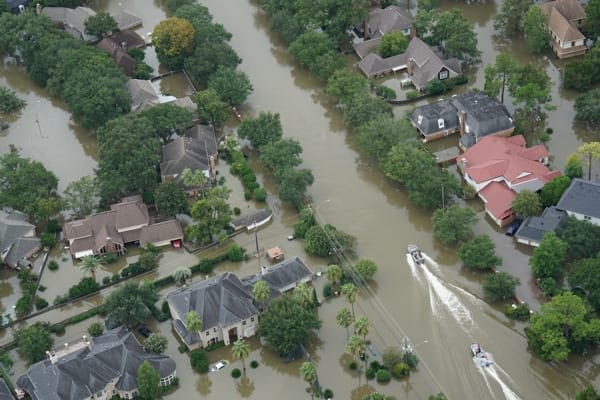
You might think you don’t need flood insurance if you live in an area that is considered “high and dry.” Although some areas are more susceptible to flooding than others, flooding can occur anywhere. With heavy rains, spring thaws, or rapid accumulation of rain after a wildfire, flooding can occur in places that are not generally considered at risk.
How Does Flood Insurance Differ from Homeowners Insurance?
Many homeowners are unaware that traditional homeowners insurance does not cover flood damage. For protection against damage caused by flooding, you will need to purchase a separate flood policy. Depending on the type of policy(s) you purchase, flood insurance purchased through the federally regulated National Flood Insurance Program (NFIP) covers building property damage up to $250,000, personal property up to $100,000, or both. Homeowners who take out a mortgage in a high-risk zone are required to purchase flood insurance.
Benefits of Flood Insurance
It doesn’t take a hurricane for a flood to strike your area. Thankfully, an NFIP building property policy covers the cost of rebuilding your home or the actual value of your home, whichever is less. Specifically, it can cover your:
- Home and foundation
- Electrical and plumbing
- HVAC equipment
- Water heater
- Major kitchen appliances
- Permanently installed carpeting (over unfinished floors), cabinets, bookcases, wallboard, and paneling
- Window blinds
- Detached garage
- Debris removal
When you purchase an NFIP flood insurance policy to protect your personal property, it will provide coverage for items such as:
- Clothing
- Furniture and electronic equipment
- Freezer and frozen food
- Washer, dryer, portable microwave, and dishwasher
- Curtains and carpets not covered by your building policy
- Window AC units
- Up to $2,500 for valuables such as art and furs
How Do You Know If You Need Flood Insurance?
Low-risk flood zones are not the same thing as no-risk flood zones. Factors such as changing weather patterns and local dam projects could reduce the risk of flooding in the zone where your property is located, while other factors such as a residential development nearby could increase the risk. To find out the category of flooding risk in your community, go to the FEMA Flood Map Service Center. Our knowledgeable agency can assist you in evaluating your risk and finding flood insurance coverage that is right for you.
How Much Does Flood Insurance Cost?
The cost of flood insurance can vary dramatically depending on a variety of factors. While the main factor affecting premium costs is the level of risk according to government mapping data, other factors may also contribute to cost. As with any insurance, the more coverage you need, the higher your premiums will be. A flood elevation certificate may be required to determine the elevation of your home in relation to the base flood elevation level. Location of major utilities and appliances and renovations on the property may also affect cost. Our knowledgeable agency can help you determine how much flood insurance you need and find a suitable policy at the best available rates.
Are You An Unsafe Driver?
Driving on America’s roadways today is a dangerous undertaking. The National Highway Traffic Safety Administration (NHTSA) reports that the U.S. saw 37,461 traffic fatalities in 2016, many of which were caused by driver error.
Many people who consider themselves to be safe, dependable drivers actually have dangerous driving habits. Whether you’ve been driving for days or decades, avoiding the following common driving behaviors can help you stay safe on the road and lower your risk of an accident.
Distracted Driving
According to NHTSA, distracted driving claimed 3,450 lives in 2016. This dangerous driving behavior can be described as anything that takes the driver’s attention away from operating the vehicle. The three main types of driver distractions are visual (such as taking your eyes off the road to read a billboard), manual (such as taking your hands off the wheel to adjust the radio), and cognitive (such as taking your focus off of driving to talk with a passenger). Texting while driving is particularly alarming, as it involves all three types of distraction.
Drowsy Driving
Driving while fatigued can be just as dangerous as driving under the influence of alcohol. Drowsy drivers have slower reaction times and are more likely to fall asleep at the wheel. Sleeping drivers are likely to swerve off the road or into oncoming traffic, and they can do nothing to avoid a crash in the moments before impact. If you feel yourself beginning to nod off, either get some caffeine or pull off into a rest area that permits taking a nap in your car. You may arrive at your destination later than planned, but at least you will arrive.
Speeding
It may be natural to want to travel faster than posted speed limits, but it doesn’t change the fact that speeding is a leading cause of both traffic fatalities and tickets. According to the laws of physics, the faster you are traveling, the longer it takes to stop and the harder the impact if you crash. The likelihood of a collision increases if you are traveling faster or slower than the average flow of traffic, so make sure you pay attention to the posted speed limit.
Drafting Tractor-Trailers
Following closely behind a tractor-trailer may increase your fuel economy, but it can also increase your risk of an accident. Truckers can’t see what is directly behind them, so it is dangerous to drive any closer than 150 feet behind a big rig. By following too closely, you could be setting yourself up for a truck underride collision if the 18-wheeler must stop suddenly.
Aggressive Driving
Aggressive driving is a combination of multiple bad driving behaviors that are dangerous and likely to cause a crash. This can include excessive speeding, weaving in and out of traffic, tailgating, failing to yield the right-of-way, and disregarding traffic lights and signals. Even when traffic is sparse, aggressive driving is not only risky, but also extremely rude and stressful to your fellow drivers.
Importance of Car Insurance
It is a sad but true reality that many of us regularly risk our lives on today’s roadways. In 2015, NHTSA reported that over six million traffic crashes occurred in the U.S., 1,715,000 of which caused injuries.
Even if you are a safe and diligent driver with none of the undesirable habits mentioned above, you are still at risk anytime you drive. Another less responsible driver may involve you in a crash, which is why it is so important to have the right auto insurance coverage. Don’t leave your driving future up to chance. Our knowledgeable agency can help you find a policy that suits all your needs at the best available rates.
Preparing For Fall

Autumn is the season of falling leaves, Halloween, Thanksgiving, and all things pumpkin spice. As the temperature goes down, however, the propensity for accidents and other insurance claims goes up. Benjamin Franklin said, “An ounce of prevention is worth a pound of cure.” What the common accidents associated with fall, and what can you do to prevent them?
Deer
Last year, The Tennessee Highway Patrol issued a warning to “to watch out for deer on or near the roadways. An increase in deer related crashes is more likely during November-December due to deer mating and hunting season…October through December is prime mating months for deer. This causes deer to be less aware causing motorists to pay extra attention to deer darting directly in front of traffic. ”
The best defense against deer-related accidents is defensive driving. Be cognizant of your surroundings, particularly any animal activity. Since deer travel in groups, if you see one on the road, there will most likely be more. (For more information, check out these helpful tips from Consumer Reports.)
Water Damage
The cooler weather brings more rain and often burst pipes. These can lead to not only structural damage, but the development of mold.
A good rule of thumb is that anywhere that air can get into your house, so can water. At the beginning of the season, check your pipes and windows for any leaks and draughts. As the temperature approaches freezing, make sure to leave at least one faucet dripping slowly to protect your plumbing. (Hope Plumbing has some more excellent tips on preventing water damage in your home.)
Fire Damage
With Fall comes scented candles, revving up the old fireplace, and baking pies for Thanksgiving dinner. The downside is the increased risk for fire. According to Burn Safe Tennessee, “Fall fire season begins around October 15, when the leaves begin to fall and usually ends December 15th due to shorter, cooler, wetter days.”
Traditional methods of fire prevention are still the best: install fire alarms and keep them equipped with fresh batteries, invest in properly-charged fire extinguishers, and have a well-written fire drill for your home that you also practice regularly. (The United States Fire Administration goes into greater detail on the best ways to fireproof your house.)
Of course, we can never foresee all the troubles the changing temperature and weather systems will bring us. That’s why it’s critical to make sure our insurance coverage encompasses every curve ball life can throw.
Scott Johnston and his team at Johnston & Associates have 25 years of experience walking clients through the unexpected twists that can occur whether it’s Fall, Winter, Spring, or Summer. They serve the people of Brentwood, Franklin, Nashville, and Middle Tennessee with carefully-crafted coverage options to serve your commercial, home, and automotive insurance needs. Johnston & Associates has the expertise and know-how to assure you that you are covered through every season of life.
Johnston & Associates can be contacted here.
Scott is an agent for Erie® Insurance.
Understanding Your Auto Policy
Drivers are required to carry minimum liability coverage in most states in the U.S. This coverage provides some protection in case you are involved in an accident that causes injury to another or damage to someone else’s property. Most vehicle owners want additional optional coverage for damage to their own vehicles. Our experienced agency can work with you to tailor the coverage amounts you need in a policy that fits your budget.
Mandatory Automobile Insurance
Nearly every state in the U.S. requires vehicle owners to carry the following automobile liability coverage:
- Bodily injury liability: This covers costs associated with injury or death caused by you or someone else driving your car.
- Property damage liability: This coverage is designed to reimburse others for property damage caused by you or someone driving your vehicle.
Coverage Required in Many States
Depending on where you live, you may be required to carry the following coverage. Even if it is not required, consider adding it to your policy:
- Medical or Personal Injury Protection (PIP): This coverage reimburses you or your passengers for medical expenses, lost wages, and other related expenses.
- Uninsured/Underinsured Motorist Coverage: If you are involved in an accident caused by an uninsured or underinsured driver, this coverage will reimburse your costs. It also applies in the case of a hit-and-run accident.
Optional Coverage for Damage to Your Vehicle
Legally required auto liability insurance covers the costs of damage you cause to other vehicles, but it does not cover your own car. To have this type of coverage, you need to purchase optional insurance:
- Collision: This coverage reimburses you for damage to your vehicle when you are at fault for a collision.
- Comprehensive: This provides protection against theft and damage from other causes than a collision, such as falling rocks or trees, hail, fire, flooding, or vandalism.
- Glass coverage: Some auto policies include no-deductible coverage for damage to the windshield, side windows, rear window, or glass sunroof. Supplemental glass coverage is also available.
Gap Insurance
Collision and comprehensive cover the market value of your car, which may be considerably less than what you paid for it, factoring in depreciation. If your car is totaled, you could end up owing more for the vehicle than your policy will cover. Gap insurance will cover the difference.
Who Is Covered Under a Personal Auto Insurance Policy?
Your auto insurance policy covers you and any family members on your policy. Coverage is in effect when you are driving your own car or someone else’s car with their permission, or when someone not on your policy is driving your vehicle with your consent.
A personal auto policy only provides coverage when you are driving for personal reasons. It will not cover you when and if you are using your car for commercial purposes. Most personal auto policies will not provide coverage to drivers who are providing transportation to others for commercial reasons (e.g., Uber and Lyft drivers). However, some insurance companies are now offering supplemental insurance to extend coverage for owners of vehicles who are providing ride-sharing services. This supplemental insurance is provided at an additional cost.
Homeowners Insurance: When Do You File A Claim?
Homeowners insurance is designed to cover damage to your property caused by certain covered events. It stands to reason that as you are paying your premiums, you should take advantage of available coverage. However, the reality is that it is not always advisable to file a homeowners insurance claim, as it can lead to higher premiums or even cancellation in some cases.
Underwriters tend to frown on policyholders who make more than the average number of claims. They prefer to continue insuring homeowners who make the fewest number of claims. In deciding whether to file a claim, consider the following:
- Don’t claim the smaller stuff: It may not be in your best interests to file a claim for $5,000 or less. A single claim can result in a considerable increase in your premiums.
- Take the largest deductible you can afford: Insurance companies offer deductibles ranging from $250 to $25,000. Consider carrying a deductible of at least $5,000. Anything less falls into the category of the smaller stuff that you should not claim anyway. A higher deductible can mean significant savings on your premiums. If your insurance company does not offer deductibles as high as $5,000, take the highest deductible available.
How Does Filing a Claim Affect Your Homeowners Insurance Premiums?
Filing a claim can affect your premiums in two ways. First, your premiums are likely to increase considerably. Second, if your policy is cancelled for filing claims, you will need to find another insurer. This can difficult with a claims history, and you can expect to pay more in premiums and fees. You may have to settle for insurance that protects your home but will not fully cover all the costs of rebuilding.
Why Is It that Consumers Paying for Insurance Cannot Use it without Losing It?
You can use you homeowners insurance without losing it, but only very infrequently and not exceeding the national average for claims. Most insurance companies will not cancel a homeowners policy for only one claim. However, filing a second claim within a certain period of time could have financial repercussions in the form of a higher premiums, possible cancellation, and higher costs with less coverage if you are forced to look for a new carrier. Even a claim that is denied can impact your rates.
How Clean Is Your CLUE Report?
Insurance companies keep track of your claims history in a form that is similar to a credit report. They use the Comprehensive Loss Underwriting Exchange (CLUE), which shows all your personal property and auto claims over the past seven years. Every claim that is paid out is reported, and a file is set up for every claim denied.
The more you use your homeowners insurance, the more it is likely to cost you in the future. Although it can be frustrating not to use the coverage you are paying for, it could cost you more in the long-run if you do. Contact our knowledgeable agency for guidance on when to file a homeowners insurance claim.
Insuring Your Business

For years now, experts have predicted that the brick-and-mortar store was going the way of the dinosaur thanks to the advent of online shopping. However, according to a recent study by Accenture, the traditional retail store is experiencing a renaissance, particularly among Millennials and Generation Z. Seventy-seven percent of that demographic polled said they preferred shopping in a regular store versus online. For all the perks and ease of shopping in cyberspace, there is no substitution for the personal touch. The younger generation has discovered something many of us have forgotten, that purposeful and personal connection is the lifeblood of any business. The locally-owned store and store owner can offer what the big chain can’t.
This makes it the perfect time for the entrepreneur to fulfill that dream of starting a new business, and Middle Tennessee has proven to be fertile ground for business growth over the past ten years. (For more information, check out the latest small business statistics for Tennessee from the Small Business Association.) With an average of 100 people moving to Middle Tennessee area every day, this is an ideal time to open a store to try out on an ever-growing, ever-seeking customer base.
Of course, opening a store is a big undertaking for a first-time owner. One of the most important tasks on the new store owner’s to-do list is getting the right insurance coverage to protect one’s investment.
There are several different types of commercial coverage to consider for your new business venture:
- Property-this protects the building itself and its contents from any loss specifically outlined in the policy.
- Liability-a policy to insure your business from any claims of negligence, failure to perform, or harm caused by your business’s services, and usually includes payment of your business’s legal fees.
- Workman’s Compensation-coverage for expenses and lost wages for employees injured on the job.
- Commercial Automobile-protection for any and all vehicles used in the operation of your business.
- Product Liability-specific coverage for any product manufactured by or for your business that causes harm to its user.
- Business Interruption-this type of policy provides compensation should your business have to shut down for an extended period of time due to a catastrophic incident such as a fire, earthquake, or hurricane.
Opening a store and finding the right coverage requires the voice of experience. Johnston & Associates, located in Franklin, Tennessee, has trained staff with the expertise to make sure your new storefront has the greatest chance for success. Scott’s team has been helping business owners like you in Brentwood, Nashville, and the surrounding area for the last decade, and Scott has 25 years in the business. He knows what it’s like to be a both a business owner and a client, and as an independent agent representing multiple companies, he can find business insurance that’s as individual as you are. Let his wisdom do the heavy-lifting for you.
To receive a personalized quote, contact Scott and his team here.
Scott is an agent for Erie® Insurance.